

A closer look at our work.

Select Featured Projects
-
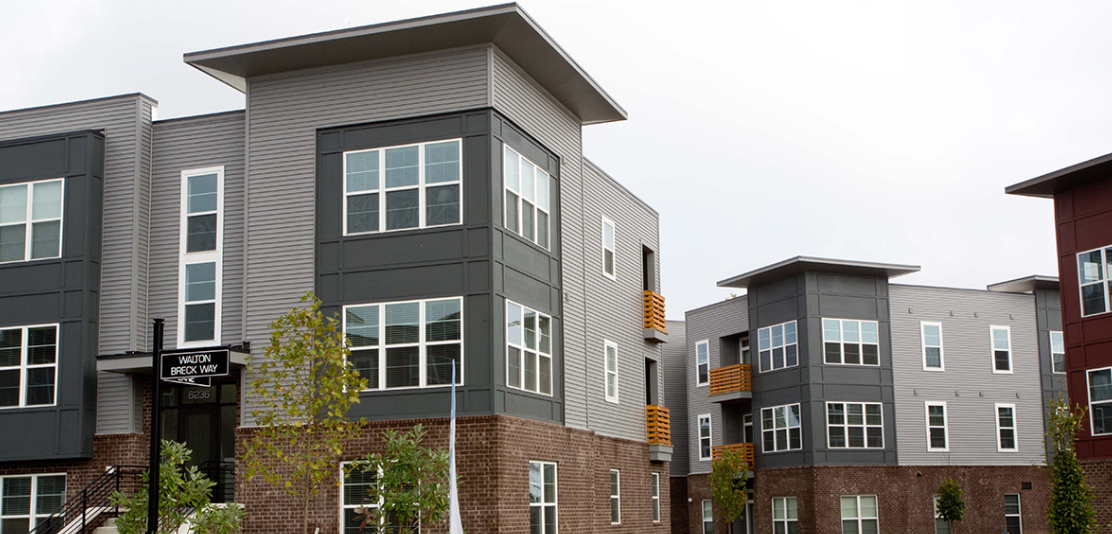
What had been a vacant, underperforming parcel for decades is now a thriving corridor off State Route 161. Through a coordinated zoning and infrastructure strategy, the firm secured targeted public infrastructure investment and the land use entitlements to facilitate the development of a major medical outpatient facility, approximately 600 apartments, multiple corporate offices, and shopping centers that now include national retailers such as BJ’s Wholesale Club, Target, and Hobby Lobby. The firm’s advocacy before city leadership helped align public infrastructure funding with a clear development vision, adding substantial economic value to previously unused land. Where public infrastructure was required to unlock the potential of the site, the team worked with city leadership and participated in public meetings to advocate for improvements tied to the project’s long-term community value. The combined zoning and infrastructure strategy made it possible to deliver a multi-phase district rather than a stalled, underutilized parcel.

-
The firm played an integral role in supporting the establishment of a major Google data center campus in New Albany by providing legal services relating to the transaction and securing annexation and zoning approvals required for development. The firm drafted and negotiated key contracts related to the site transfer and supported the entitlement strategy needed for the intended use. This included annexation of roughly 450 acres into the City of New Albany and subsequent zoning approvals. In parallel, the team coordinated with public entities through the required hearing and meeting process to keep approvals moving on schedule. The result was a clear legal entitlement foundation for campus-scale development.
-
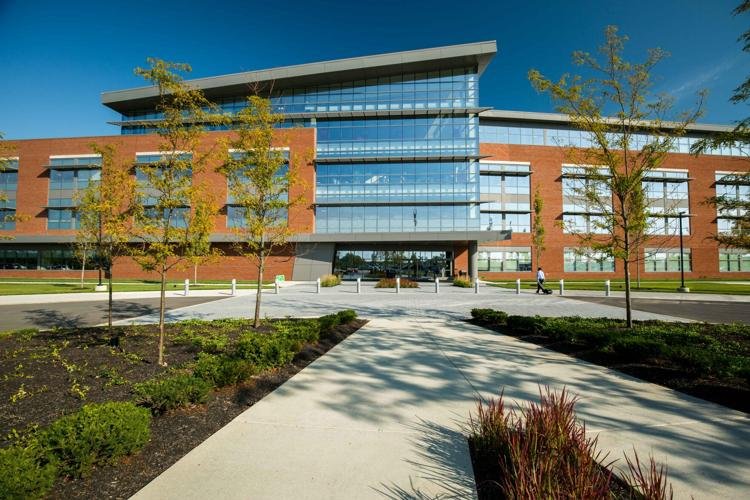
Over more than two decades, Underhill & Hodge LLC has helped transform the New Albany Business Park from open farmland into one of the country’s most successful employment centers. Through annexations, zoning, and coordinated economic development strategies, the firm has supported the delivery of headquarters and major facilities for many high-profile companies including AEP, Axium Plastics, Lower.com, Bath & Body Works, Meta, Google, and Intel. This growth has been central to New Albany’s long-term economic development strategy and has significantly expanded the municipal tax base. As land use plans evolved, the firm helped align approvals with stakeholder priorities—municipal leaders, adjacent property owners, and end users—so projects could proceed in a timely manner. The park’s continued expansion has supported a wide range of uses, including office, manufacturing, and large-scale technology facilities.
-
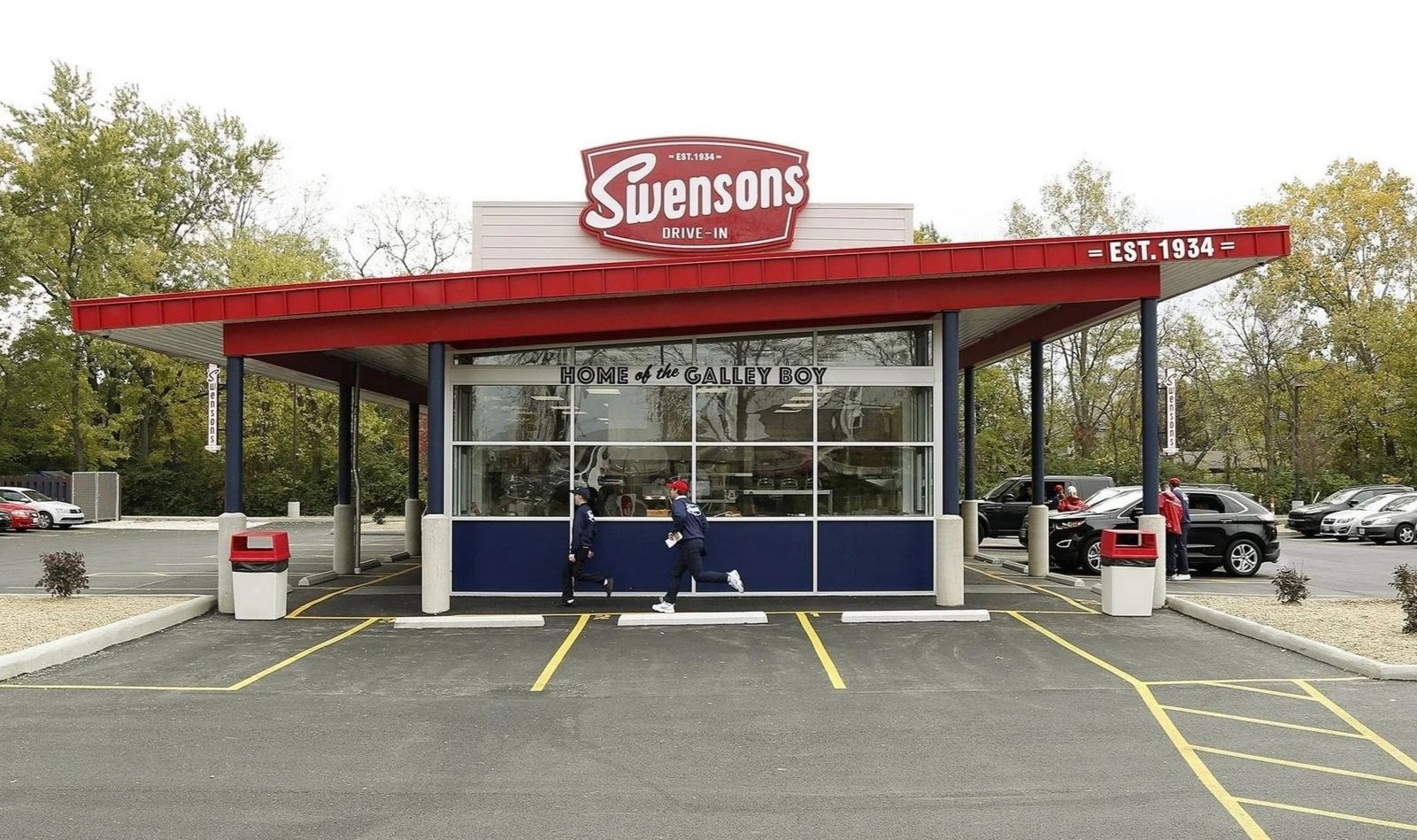
When Swensons sought to expand into the Columbus market, the company turned to Underhill & Hodge for its local relationships, land use expertise, and existing foothold representing developers on the target site of its inaugural Columbus location. The partnership began with zoning and entitlement work on an initial location and has continued as additional sites have been pursued. Each restaurant has required its own entitlement strategy, including coordination with city staff, public meetings, and navigation of local approval processes. Through this work, the firm has played a key role in enabling Swensons’ growth from having no Columbus presence to nearly a dozen locations in the region.

-
Before the region became known as "The Silicon Heartland" and based on its large-scale technology development, Underhill & Hodge LLC helped establish one of the first major data center projects of its scale in the region, laying the groundwork for the many others that would follow over the next near decade. Work included annexation of hundreds of acres into the City of New Albany and securing the zoning approvals required for development of Meta’s (then Facebook's) first major data center campus in Ohio. The team also supported key transactional work tied to land acquisition and subsequent sale, including negotiation and drafting of agreements.The project stands as a landmark development for the region—one of the first of its scale—and helped position New Albany to attract subsequent Fortune 100 technology companies that followed.
-
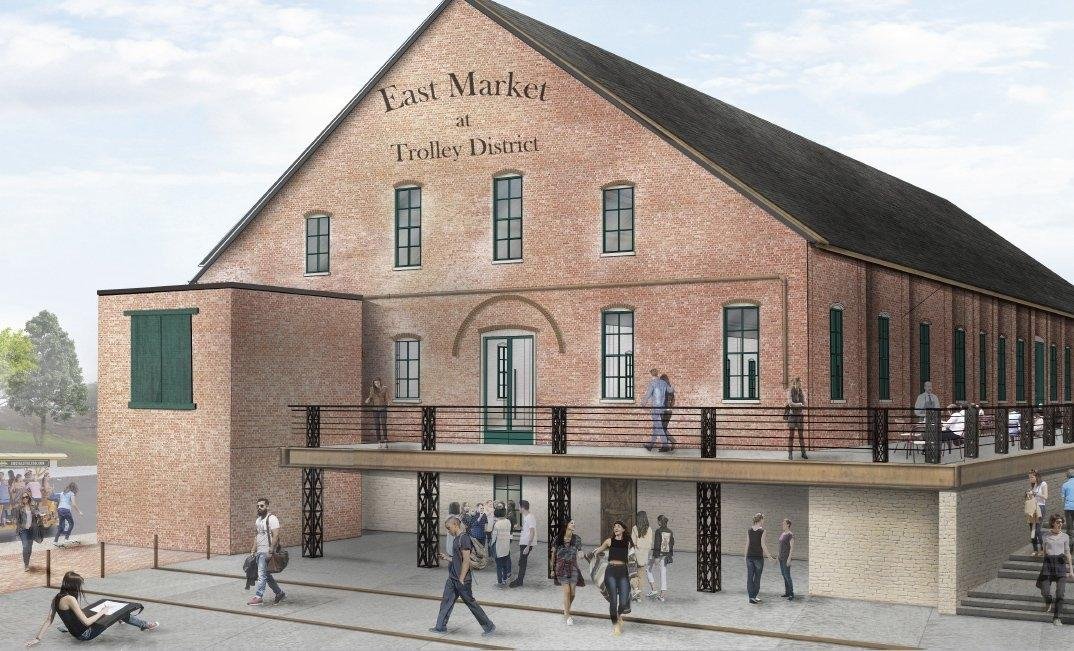
The redevelopment of Columbus’ historic trolley facility in Old Town East required a clear entitlement path to reposition a long-neglected property. The firm secured zoning approvals and variances and guided the project through the city process required to rehabilitate and repurpose the site into a multi-tenant food hall that has now become a landmark for the East Side of Columbus. In order to secure the approvals required for development, the firm coordinated across multiple stakeholders—including city staff and neighborhood voices—so the plan could move forward with fewer obstacles. In addition to the food hall now known as "East Market," the entitlements also enabled adjacent residential development nearby. The result was a successful repositioning of a decrepit property into a destination for Columbus locals and tourists alike.
-
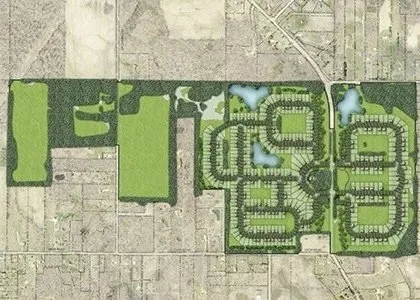
The Farms at Jefferson was not simply an entitlement engagement—it was a ground-up development effort driven in large part by the firm’s initiative and relationships. Identifying dormant farmland with potential, the team assembled the property, aligned development partners, and helped shape the overall vision for a single-family residential community in eastern Franklin County consisting of nearly 400 homes. The firm’s principals personally moved the project from concept to construction. The result is hundreds of new single-family homes in a supply-constrained market, significant preserved parkland, and a project that reflects the firm’s capacity to operate not just as counsel, but as a central driver and partner in development.
-
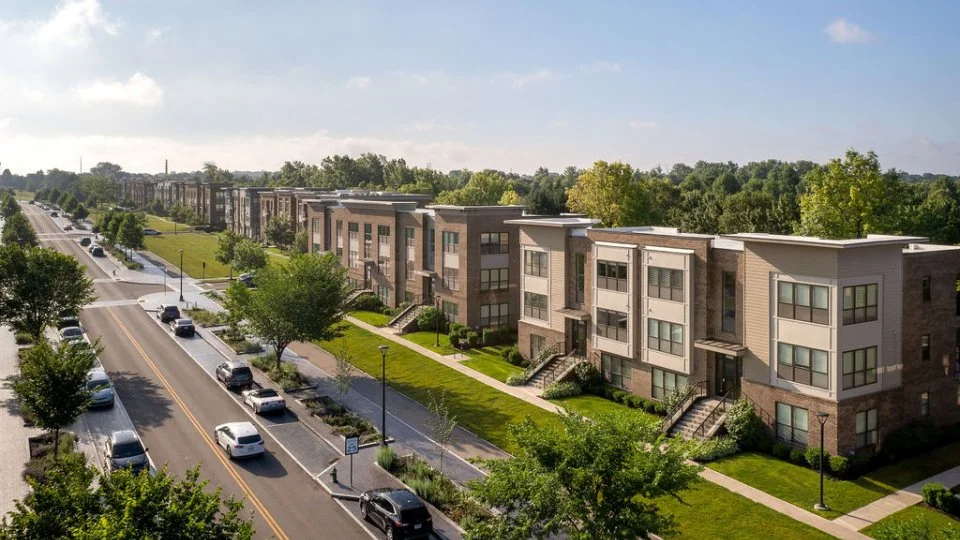
In the early 2010s, the City of Dublin adopted a grand strategy for developing the portion of the City which came to be known as the Bridge Street Corridor. Extending from the Scioto River on the west to Sawmill Road on the east, the City meticulously master-planned the area and adopted some of the most stringent and detailed set of zoning regulations in the region for the area. Underhill & Hodge LLC was engaged by Casto Communities to navigate the complexities of meeting code requirements and negotiated and drafted a complex development agreement between its client and the City. Casto Communities was able to construct and continues to operate a high-end luxury apartment development in the Bridge Street Corridor which is now known as Tuller Flats.
-
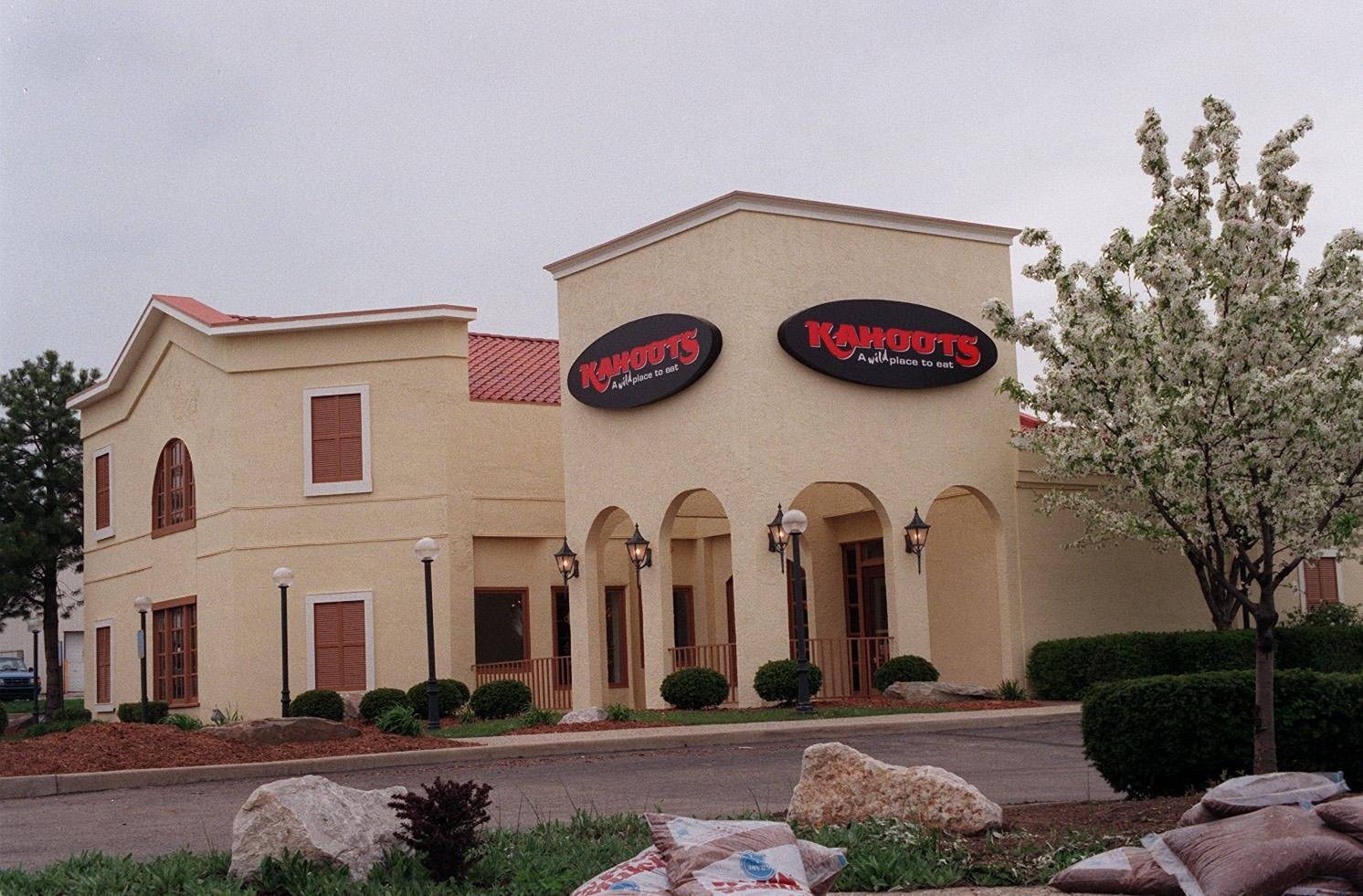
A prominent site at Kenny and Henderson Road required a zoning strategy to transform from a vacated strip club into new housing. The firm led the entitlement process, including neighborhood meetings, area commission engagement, and the broader city approval sequence. By meeting with local residents, hearing concerns, and adjusting the approach where appropriate, the team helped move the project through a high-scrutiny process. The approvals enabled demolition of the existing structure and construction of Class A multifamily housing. The result was a productive reuse of a highly visible corridor property.
-
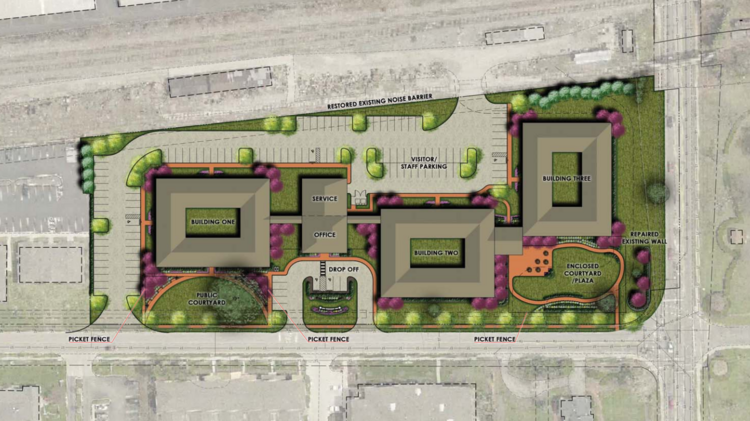
Kemper House required navigating one of the more exacting municipal review environments in Central Ohio. After acquisition of the Worthington site, the firm led the zoning and architectural review process for an Alzheimer’s care facility subject to the City’s heightened design and land use standards. This involved detailed coordination with planning staff and the architectural review board to align the building’s scale, design, and operational needs with Worthington’s expectations. Through a structured entitlement strategy and hands-on engagement with decision-makers, the firm secured the approvals necessary to move the project forward. The result was a purpose-built memory care facility delivered within a jurisdiction known for rigorous oversight.
-
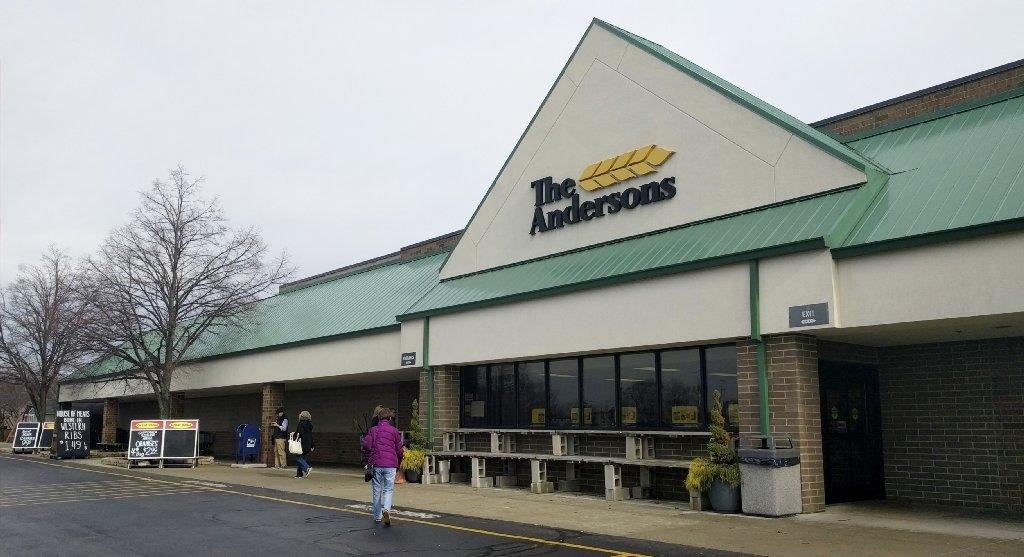
After a big-box retail user vacated a 17-acre site along the Sawmill Road corridor, the property required a new zoning path to support redevelopment. The firm guided the entitlement strategy to transition the site from commercial retail to high-density residential use, coordinating the rezoning process through the City of Columbus. The team worked through public meetings and stakeholder review to address community concerns and secure the development rights needed for the new plan. Rezoning approvals cleared the way for redevelopment of the former retail footprint into 614 apartment units, a model example for converting a vacant big-box site into new housing and productive land use.
-
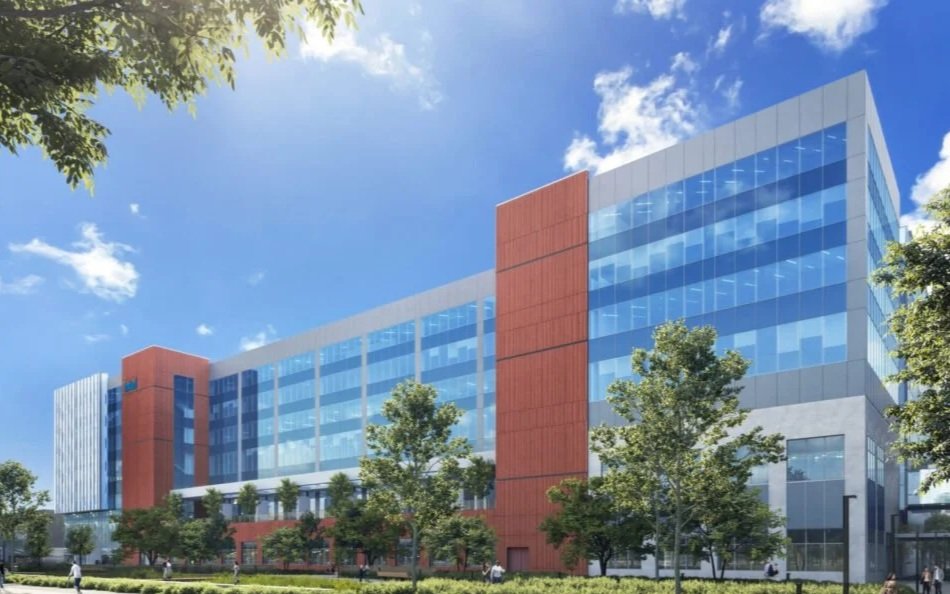
As part of the coordinated effort to attract Intel’s chip fabrication campus to New Albany, the firm led a large-scale entitlement and zoning strategy with public and private partners. Because the complexity of land use required standards not previously addressed in Ohio, the team drafted and proposed a new set of zoning code provisions to accommodate the project's requirements. The firm also assisted with annexation of approximately 1,900 acres into the City of New Albany and supported the zoning entitlements needed for the project to proceed. Throughout the process, the team worked with local officials in public sessions and coordinated stakeholder inputs to keep approvals aligned. The firm’s work to position the site as development-ready—aligning complex zoning, annexation, and public infrastructure considerations while coordinating the interests of municipal leaders, private landholders, and economic development partners—was instrumental in Intel’s ultimate selection of New Albany over competing regions. That coordinated effort cleared the path for what is now a globally recognized investment that eventually may exceed $20 billion and the creation of thousands of high-paying jobs in the coming years.
-
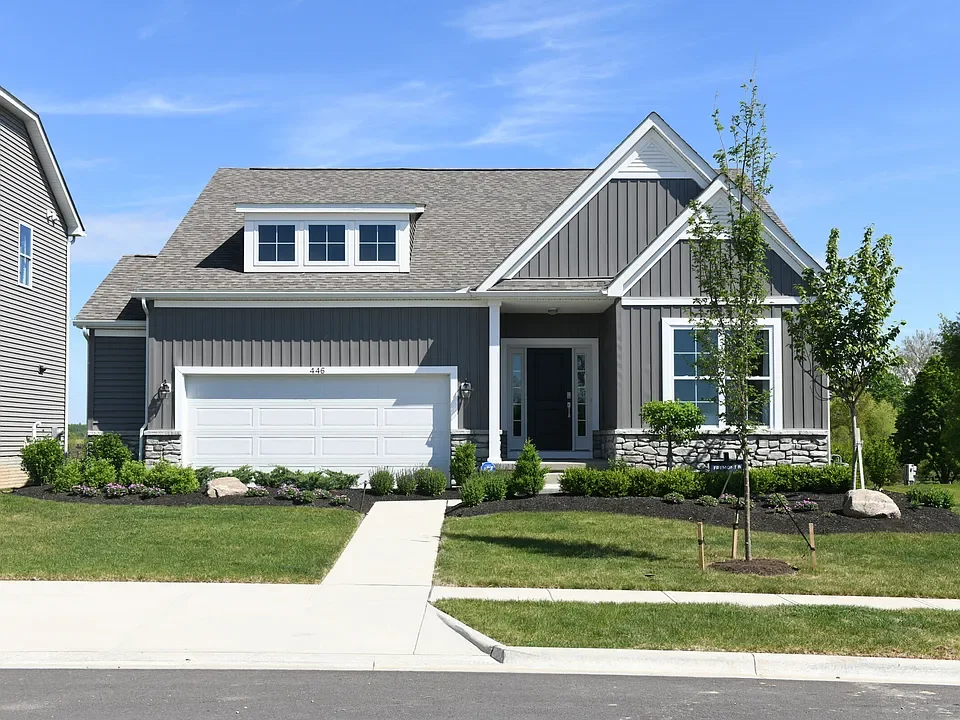
Underhill & Hodge LLC led the zoning and infrastructure coordination necessary to support development of a residential community in Commercial Point surrounding the existing Foxfire golf course. The firm secured subdivision entitlements that enabled construction of hundreds of housing units and negotiated and drafted infrastructure agreements required to extend utilities to serve the site.
-
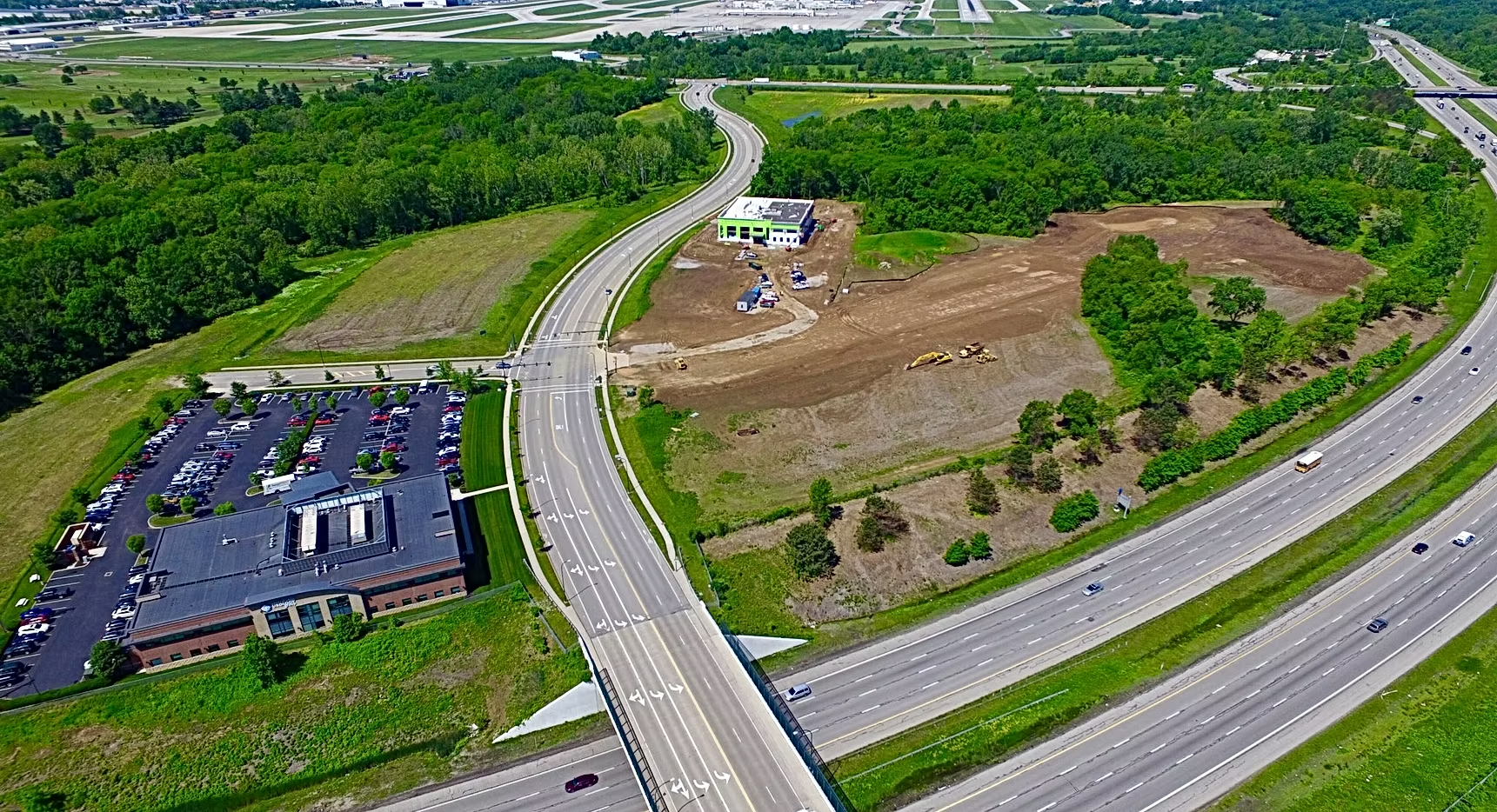
What had been a drive-by parcel along a high-traffic corridor near the John Glenn International Airport is now a mixed-use epicenter of housing, outpatient medical, and office and retail activity. Underhill & Hodge LLC secured the zoning entitlements necessary to support several hundred apartments, retail uses, and significant office components, including the headquarters for Orthopedic One. Strategically positioned near major highways, shopping centers, and strong school districts, the project has transformed previously underutilized land into an active, economically productive corridor. The result is a high-visibility mixed-use district that now anchors this gateway location in Gahanna.

-
Motherful is a collective of single mothers building a supportive residential community model designed to combine independent living with shared resources and mutual support. Cohousing, by design, integrates private residences with shared common spaces and coordinated programming, and it often requires zoning and entitlement considerations that differ from traditional single-family or multifamily development. Underhill & Hodge is advising on acquisition and redevelopment of a former treatment facility site intended to serve as Motherful’s first pilot project in Central Ohio. The work has focused on securing the specific zoning approvals and land use attributes necessary for a cohousing model, which does not neatly fit within standard residential classifications. The firm’s guidance has been critical to obtaining the approvals required to move forward with the organization’s first Columbus-area development.
-
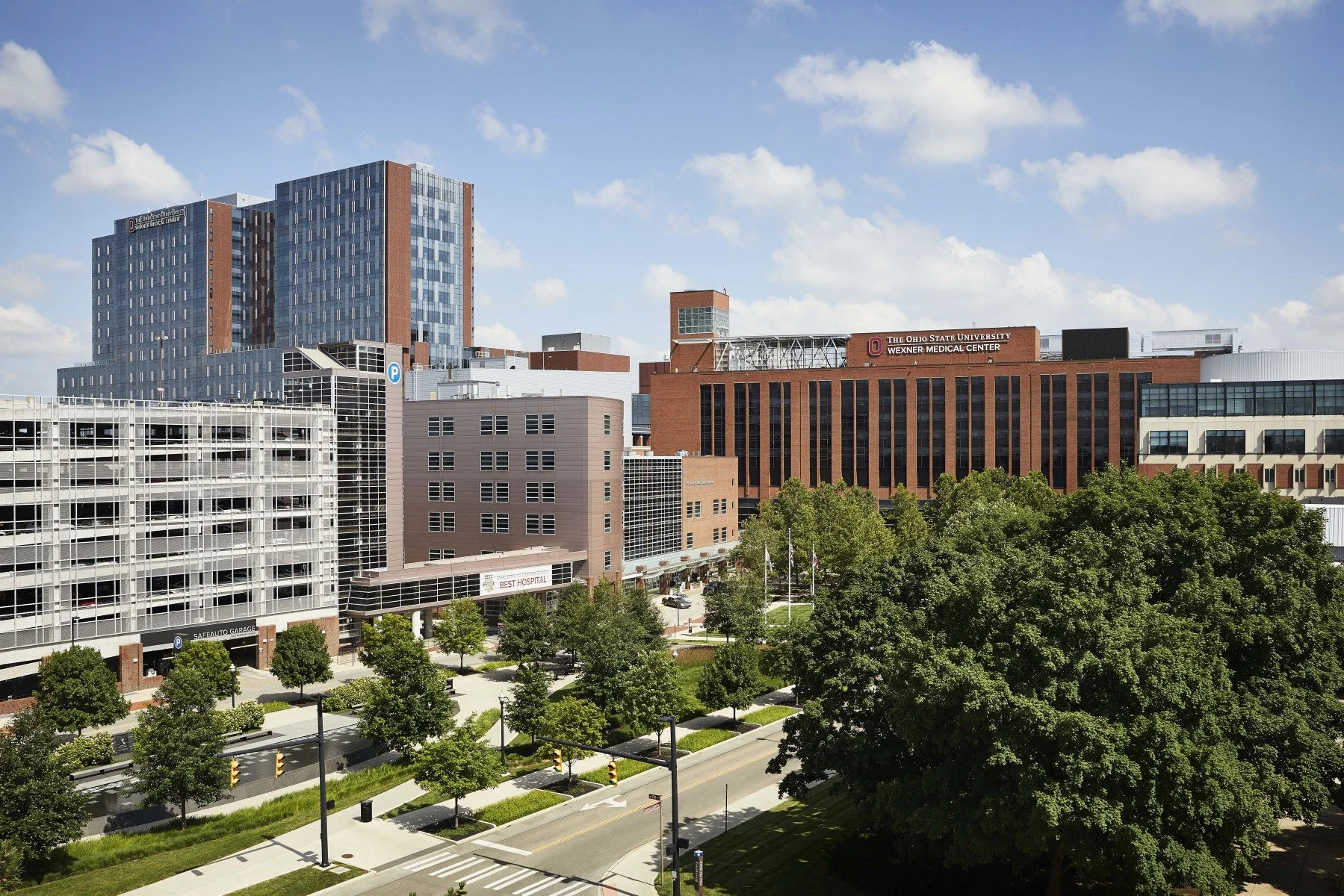
To support OSU Wexner Medical Center’s expansion beyond its main campus, the firm advised on multiple ambulatory care facility developments, including projects at Hamilton Quarter and in the City of Powell, and the City of Dublin. Work included leading zoning and entitlement efforts as well as supporting property acquisition for select sites. The firm helped to navigate stakeholder input so approvals reflected local expectations while preserving the projects’ operational needs. This work enabled OSU to expand outpatient services—such as surgery, rehab, and urgent care—into new markets using a repeatable facility model that is still being employed today.
-
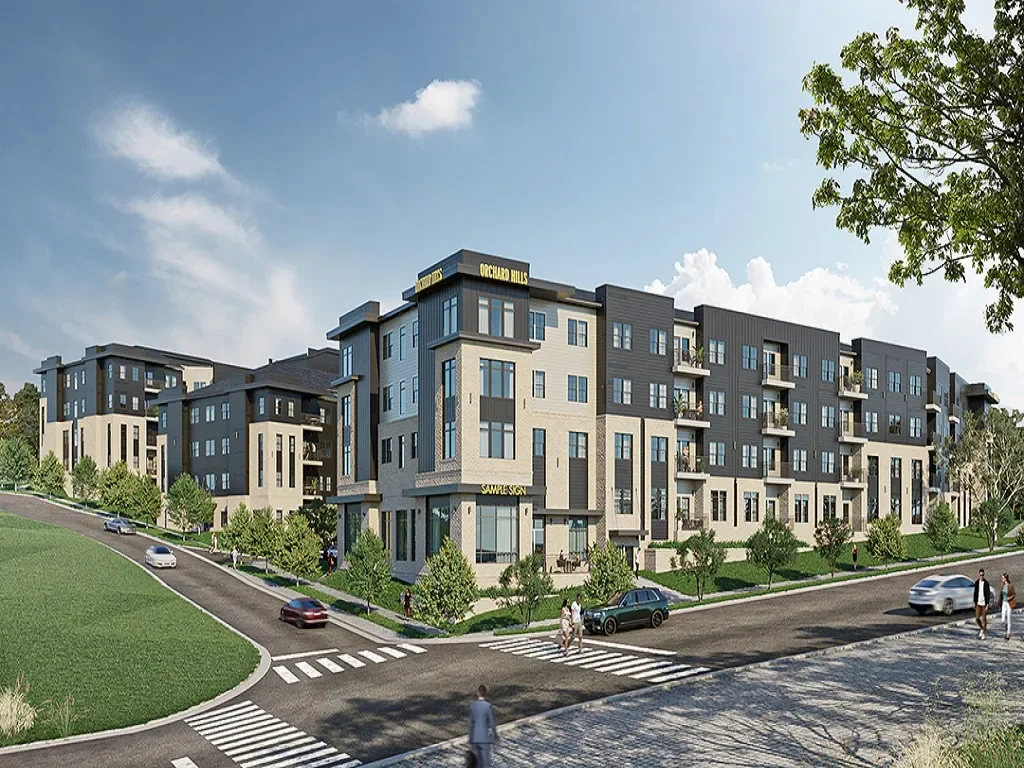
Affordable housing proposals often succeed or fail based on process management and stakeholder alignment, and this project required both. The firm guided an affordable housing development proposal through the City of Columbus approval process, including coordination with neighbors and neighborhood groups. The team met with stakeholders, heard concerns, and helped refine the approach where necessary so the proposal could proceed through required hearings and votes. The firm helped advance approval of a tax-credit affordable housing development in a region facing mounting inventory shortages and affordability pressures amidst a growing population and regional economy. By managing the entitlement process and working through community concerns, the project moved forward in a market where demand for affordable housing continues to outpace supply.